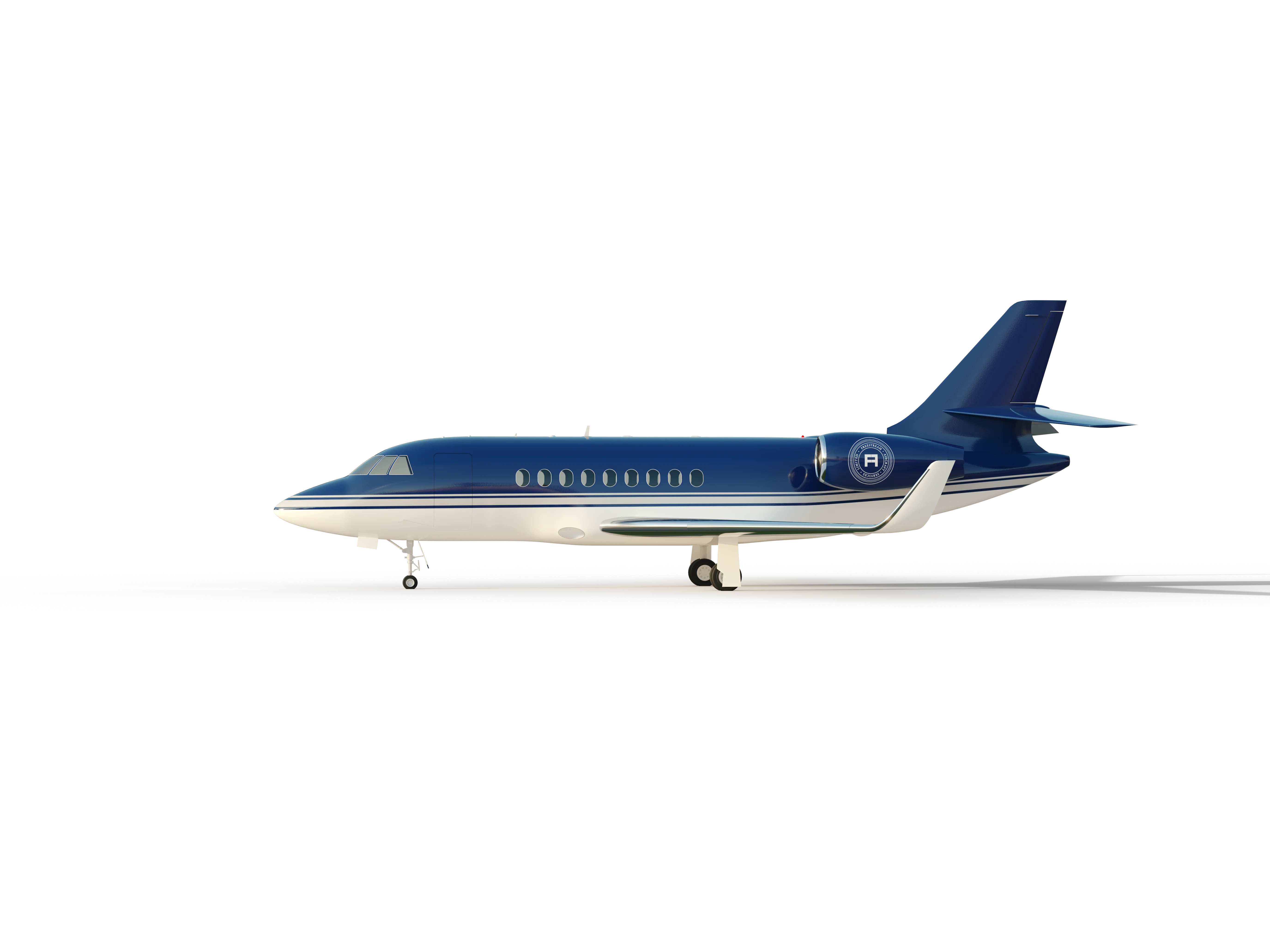
The FAA has finalised a new airworthiness directive for the Falcon 2000. The rule takes effect on 16 October 2026. It supersedes AD 2023-22-12 across every Model Falcon 2000 aircraft on the US register.
The directive addresses reduced controllability of the aircraft. It requires operators to incorporate new or more restrictive airworthiness limitations. Operators have 90 days from the effective date to revise the maintenance or inspection programme. That places the compliance deadline on 14 January 2027.
The underlying safety issue traces to fatigue cracking, damage and corrosion in principal structural elements. Dassault's original airworthiness limitations captured these items. EASA and the FAA then found further threshold reductions and mandatory inspection points that the maintenance programme did not carry. EASA published AD 2026-0040 in February to add them. The FAA rule brings US operators onto the same schedule.
The FAA estimates compliance at $7,650 per operator, based on 90 work-hours at $85 per hour. About 150 base Model Falcon 2000 aircraft are US-registered and fall in scope. The EX, DX and LXS variants sit under separate type certificates and their own ADs. The docket is FAA-2026-4662. Recurring inspection intervals then flow from the revised limitations. The retained AD 2023-22-12 actions remain enforceable in the meantime.
For owners, the practical steps are two. First, confirm the aircraft is captured under the AD. Second, schedule the programme update with Dassault or an authorised service centre before 14 January 2027. Owners weighing a mid-life Falcon 2000 acquisition should factor both the retained 2023 actions and the new limitations into pre-purchase inspection scope.
Source: FAA AD 2026-18-02, Federal Register, 11 September 2026; EASA AD 2026-0040, 27 February 2026.